Trade name: Sejaro®
International non-proprietary name (INN): Tirzepatide
Dosage form: solution for subcutaneous injection
Pharmacotherapeutic group of the medicinal product: antidiabetic drugs; hypoglycaemic agents other than insulins; other hypoglycaemic agents other than insulins.
АТC code: A10BX16
Sejaro® contains tirzepatide as an active ingredient belonging to such groups as antidiabetic agents; drugs used in diabetes; blood glucose-lowering drugs, excl. insulins; other blood glucose-lowering drugs, excl. insulins. Sejaro® is used to treat type 2 diabetes mellitus (T2D) and obesity in addition to a low-calorie diet and physical activity.
Tirzepatide is a new class of dual-action incretins (a metabolic hormone regulating insulin and glucose levels in the blood).
Clinical studies have demonstrated that the dual action of tirzepatide helps reduce body weight, improve metabolism, and control blood sugar levels in people with T2D.
Tirzepatide influences appetite regulation, which may help you eat less food and reduce your body weight.
Tirzepatide improves sensitivity to insulin to lower high blood glucose levels, reduce body weight, and restore a normal lipid profile. Tirzepatide also has additional effects, including reduced waist circumference, improved metabolism (lipids, glucose levels, etc.), better cardiovascular parameters (blood pressure, pulse), and improved liver and kidney functions and condition. Obesity is a serious condition that increases the risk of cardiovascular complications. Weight loss resulting from using tirzepatide reduces the risk of various complications, including cardiovascular diseases, T2D, etc., and extends the life span.
Therapeutic indications
Sejaro® is used to treat adults aged 18 and over with poorly controlled T2D in addition to a diet and physical activity:
Sejaro® is used as an additional therapy when adhering to a low-calorie diet and increasing physical activity to reduce body weight and control body weight for adults over 18 years of age having an initial body mass index (BMI) of:
Mechanism of action of Sejaro®
Tirzepatide acts similarly to natural hormones: physiological regulators of carbohydrate metabolism (insulin and glucose levels), appetite and food intake. Tirzepatide is a receptor agonist (interacts with a receptor (target) triggering a specific biologic response) of glucose-dependent insulinotropic polypeptide (GIP) and long-acting glucagon-like peptide-1 (GLP-1). Both receptors are found on α and β endocrine cells of the pancreas, brain, heart, vessels, on immune cells, in the intestine and kidneys. In addition to carbohydrate metabolism regulation, the effect on GLP-1 receptors helps you feel full more quickly and for longer and control your eating behaviour. GIP receptors are also found on adipocytes (cells forming the fat tissue) The effect on GIP receptors can also help regulate food intake. Therefore, the medicine has higher and complementary effects due to its simultaneous action on two types of receptors (GIP and GLP-1).
Tirzepatide stimulates insulin production, reduces insulin resistance, and helps regulate carbohydrate metabolism in T2D patients. In addition to carbohydrate metabolism regulation, tirzepatide can help you eat less, and, therefore, reduce the fat mass in the body to lose and control weight.
If there is no improvement or if you feel worse, please consult your physician.
Contraindications
Не применяйте препарат Sejaro®:
Special warnings and precautions
Please consult your physician before using Sejaro®.
Be sure to tell your physician if:
Conditions to be monitored
Acute pancreatitis
You should use Sejaro® with caution if you were previously diagnosed with pancreatitis.
There are reported cases of acute pancreatitis in people receiving tirzepatide.
If you get such signs of acute pancreatitis as acute, unbearable abdominal pain, nausea, vomiting, and fever, stop using Sejaro® and tell your physician.
Hypoglycaemia
Patients receiving tirzepatide in combination with medicinal products stimulating insulin secretion (e.g. sulfonylureas) or with insulin, may experience an increased risk of hypoglycaemia (see Section 4 “Possible side effects”).
Effect on the gastrointestinal tract
Tirzepatide can cause side effects on the gastrointestinal tract, including nausea, vomiting and diarrhoea (see Section 4 “Possible side effects”). Seek medical attention immediately if you have these side effects. These adverse reactions may lead to dehydration, which could cause a deterioration in renal function including acute renal failure. This is especially important for elderly people who may be more susceptible to such complications.
Severe gastrointestinal diseases
Tirzepatide was not studied in patients with severe gastrointestinal diseases, including severe gastroparesis (delayed gastric emptying); therefore, such people should use tirzepatide with caution.
Acute kidney injury
Tirzepatide causes gastrointestinal adverse reactions, including nausea, vomiting and diarrhoea. These phenomena may result in dehydration, which can cause acute kidney injury in severe cases.
Acute kidney injury and deterioration in chronic renal failure were reported in patients receiving GLP-1 receptor agonists (medicines similar to tirzepatide). Most reported events were nausea, vomiting, diarrhoea, and dehydration. If you have any of these symptoms, tell your physician about it straight away.
Acute gallbladder diseases
Acute gallbladder diseases, such as gallstones or gallbladder inflammation (cholecystitis), were reported in the use of GLP-1 receptor agonists.
Acute gallbladder conditions were associated with reduced body weight. Tell your physician straight away if you have severe pain in the upper right part or the upper part of the stomach.
Diabetic retinopathy
Tirzepatide was not studied in patients with diabetic retinopathy (retina damage resulting from diabetes mellitus) requiring urgent treatment or diabetic macular oedema (too-thick retina due to accumulated fluids); therefore, this medicine should be used with caution and under physician’s monitoring.
If you have any symptoms of changes in vision, tell your physician about it straight away.
Risk of thyroid tumors
It is unknown whether tirzepatide causes thyroid tumours in humans, including medullary thyroid cancer (malignant tumour). Tirzepatide increased the frequency of thyroid tumours in male and female rats, depending on the dose and treatment duration.
You should monitor your condition for such possible symptoms as neck swelling, hoarseness, problems swallowing, or shortness of breath. If you have any of these symptoms, tell your physician straight away.
Aspiration in association with general anaesthesia or deep sedation
There were reports of pulmonary aspiration (solid or liquid matter entering from the mouth and throat or gastrointestinal tract into the trachea or lungs) in patients receiving medicines in the same group as tirzepatide when they were under general anaesthesia or deep sedation (deep medication sleep).
People receiving medicines from the same group as tirzepatide and having surgeries under general anaesthesia or deep sedation are at risk of pulmonary aspiration due to delayed gastric emptying (food going from the stomach into the intestine) and food remaining in the stomach.
Your physician will monitor your condition during surgeries under general anaesthesia or deep sedation.
Patients aged 85 years and above
Only very limited data are available from patients aged 85 years and above. This medicine is used with caution in people aged 85 and above since they may be more sensitive to it.
Children and adolescents
Do not give Sejaro® to children below 18 years of age since its efficacy and safety were not established in them.
Other medicinal products and Sejaro®
Please tell your physician if you are taking, have recently taken, or may start taking any other medicinal products. Your physician should know medicinal products you are taking in order to consider any side effects that may potentially arise due to interaction between various medicinal products and Sejaro®, and possibly adjust doses of medicinal products you are taking.
In particular, tell your physician if you are taking any of the medicines listed below:
Pregnancy, breastfeeding and fertility
Ask your doctor for advice before taking this medicinal product if you are pregnant or breastfeeding, think you might be pregnant or are planning a pregnancy.
Pregnancy
There are no data on using tirzepatide in pregnant women. Do not use Sejaro® during pregnancy. Use reliable contraceptives during the treatment with Sejaro®.
Breastfeeding
It is unknown whether tirzepatide is excreted in human milk. A risk to newborns/infants cannot be ruled out. Having weighed the benefits of breastfeeding to your child and of Sejaro® to you, your physician may recommend that you stop breastfeeding or stop taking Sejaro®.
Fertility
The effect of tirzepatide on human fertility (the ability of mature people to produce offspring) is unknown. Studies of tirzepatide in animals revealed no direct adverse effect on fertility.
Driving and operating machinery
It is unlikely that tirzepatide will affect your ability to drive and use machines. When used in combination with sulfonylureas or insulin, it is recommended to take precautions to prevent hypoglycaemia during driving and operating machines (see Subsection “Special warnings and precautions”).
Sejaro® contains sodium and benzyl alcohol
Sejaro® contains sodium of less than 1 mmol (23 mg) per dose (0.6 mL), i. e. it is essentially “sodium-free”.
Sejaro® contains 5.4 mg of benzyl alcohol per 0.6 mL dose (9 mg in each mL). Benzyl alcohol is contraindicated in premature infants and neonates. It can cause toxic and anaphylactoid reactions in infants and children under 3 years of age.
Always strictly follow your physician’s recommendations when using the medicinal product. If in doubt, please consult your physician.
Your physician will prescribe a dosing regimen and method of administration for you individually, depending on indications, disease severity, and your response
Recommended dose
Dose escalation scheme
| Week | Dose, mg |
| 1 to 4 | 2.5 mg once weekly |
| 5 to 8 | 5 mg once weekly |
| 9 to 12 | 7.5 mg once weekly |
| 13 to 16 | 10 mg once weekly |
| 17 to 20 | 12.5 mg once weekly |
| 21 to 24 | 15 mg once weekly |
The recommended maintenance doses are 5 mg, 10 mg, and 15 mg. Maximum Sejaro® dose which must not be exceeded is 15 mg once weekly.
Do not change your dose unless your physician has told you to.
Use in children and adolescents
The safety and efficacy in children below 18 years of age have not been established. No data are available.
Route and/or method of injection
Sejaro is to be injected subcutaneously in the abdomen, thigh, or upper arm. The dose can be administered at any time of the day, with or without meals. Injection sites should be rotated with each dose. If you also receive insulin injections, Sejaro® should be injected in some other site.
Treatment duration
Your physician will determine the treatment duration depending on the severity of your disease. Use Sejaro® as long as your physician recommends.
If you use more Sejaro® than you should
Your physician will monitor your condition to ensure that you receive a correct dose of Sejaro®.
In case of supposed Sejaro® overdose, consult your physician. If possible, show the medicinal product package to your physician. The physician will prescribe you maintenance treatment according to your symptoms. Gastrointestinal side effects are possible including nausea.
If you forget to inject Sejaro®
If you forget to inject Sejaro®, consult your physician. Do not take a double dose to make up for a missed dose.
If it has been 4 days or less since you should have used Sejaro®, use it as soon as you remember. If it has been more than 4 days since you should have used Sejaro, skip the missed dose. Then inject your next dose as usual on your scheduled day. You can change the day of your weekly dose if needed, as long as the time between two doses is at least 3 days.
If you have any further questions about the use of Sejaro®, ask your physician.
Like all medications, Sejaro® may cause adverse reactions; however, not all people experience them.
It is important that you tell your physician about all adverse reactions you have experienced so that he or she can take appropriate measures (e.g. temporarily suspend or cancel treatment, change the dose and duration of using the medicinal product, prescribe any additional therapy).
Some adverse reactions may be severe and life threatening. Tell your physician straight away if you have any of the following adverse reactions:
Uncommon (may affect up to 1 in 100 persons):
acute, unbearable pain in the stomach, nausea, vomiting, and fever (acute pancreatitis).
Rare (may affect up to 1 in 1000 persons):
severe allergic reaction (anaphylactic reaction) with such symptoms as breathing problems, blood pressure drop, shortness of breath, compressing pain in the chest, rash, itching, swelling of the lips, tongue, or face, sudden weakness, or other signs of sudden feeling unwell;
rapid swelling of the skin, face, neck, throat, or mucosa, difficulty breathing and swallowing (angiooedema or Quincke’s oedema).
Other adverse reactions that may occur when using Sejaro® are listed below:
Very common (may affect more than 1 of 10 persons):
Common (may affect up to 1 in 10 persons):
Uncommon (may affect up to 1 in 100 persons):
Reporting adverse reactions
If you experience any adverse reactions, please consult your physician. It also refers to any adverse reactions that are not listed in the patient information leaflet. You may also report adverse reactions directly (see below). Your reports of adverse reactions help us gather more information on medicinal product safety.
Russian Federation
Federal Service for Surveillance in Healthcare (Roszdravnadzor)
Address: 4/1, Slavyanskaya ploshchad, 109012, Moscow
Tel: +7 800 550 99 03
E-mail: pharm@roszdravnadzor.gov.ru
Website: www.roszdravnadzor.gov.ru
Keep Sejaro® out of reach and sight of children.
Do not use Sejaro® after the expiry date (shelf life) which is stated on the label of the pen injector and the carton. The expiry date is the last day of this month.
Store Sejaro® at 2 °C to 8 °C (in a refrigerator) but not close to the freezing chamber. Do not freeze
Store Sejaro® in the original pack (carton) to protect from light.
After first use
Keep the pen injector with Sejaro® that is in use or carried as a spare one at a temperature below 30 °C for not more than 30 days.
After use, close the pen injector with a cap to protect it from light.
Do not use Sejaro® if the pen injector is damaged or if the solution is turbid, changes its colour or has particles in it.
Do not discard the product (do not pour it out) into the sewage system. Please ask a pharmacist how to dispose of (destroy) the medicinal product you no longer need. These measures help protect the environment.
Sejaro® contains
The active ingredient is tirzepatide.
Sejaro®, 2.5 mg/dose, solution for subcutaneous injection
Each mL of the solution for subcutaneous injection contains 4.17 mg of tirzepatide.
Each 2.4 mL pen injector contains 10 mg of tirzepatide.
Each dose contains 2.5 mg of tirzepatide in 0.6 mL of the solution.
The other ingredients (excipients) are disodium hydrogen phosphate heptahydrate, benzyl alcohol, glycerol, phenol, sodium chloride, 10 % dilute hydrochloric acid and/or 10 % sodium hydroxide solution (for pH adjustment), water for injection.
Sejaro®, 5 mg/dose, solution for subcutaneous injection
Each mL of the solution for subcutaneous injection contains 8.33 mg of tirzepatide.
Each 2.4 mL pen injector contains 20 mg of tirzepatide.
Each dose contains 5 mg of tirzepatide in 0.6 mL of the solution.
The other ingredients (excipients) are disodium hydrogen phosphate heptahydrate, benzyl alcohol, glycerol, phenol, sodium chloride, 10 % dilute hydrochloric acid and/or 10 % sodium hydroxide solution (for pH adjustment), water for injection.
Sejaro®, 7.5 mg/dose, solution for subcutaneous injection
Each mL of the solution for subcutaneous injection contains 12.5 mg of tirzepatide.
Each 2.4 mL pen injector contains 30 mg of tirzepatide.
Each dose contains 7.5 mg of tirzepatide in 0.6 mL of the solution
The other ingredients (excipients) are disodium hydrogen phosphate heptahydrate, benzyl alcohol, glycerol, phenol, sodium chloride, 10 % dilute hydrochloric acid and/or 10 % sodium hydroxide solution (for pH adjustment), water for injection.
Sejaro®, 10 mg/dose, solution for subcutaneous injection
Each mL of the solution for subcutaneous injection contains 16.67 mg of tirzepatide.
Each 2.4 mL pen injector contains 40 mg of tirzepatide.
Each dose contains 10 mg of tirzepatide in 0.6 mL of the solution.
The other ingredients (excipients) are disodium hydrogen phosphate heptahydrate, benzyl alcohol, glycerol, phenol, sodium chloride, 10 % dilute hydrochloric acid and/or 10 % sodium hydroxide solution (for pH adjustment), water for injection.
Sejaro®, 12.5 mg/dose, solution for subcutaneous injection
Each mL of the solution for subcutaneous injection contains 20.83 mg of tirzepatide.
Each 2.4 mL pen injector contains 50 mg of tirzepatide.
Each dose contains 12.5 mg of tirzepatide in 0.6 mL of the solution.
The other ingredients (excipients) are disodium hydrogen phosphate heptahydrate, benzyl alcohol, glycerol, phenol, sodium chloride, 10 % dilute hydrochloric acid and/or 10 % sodium hydroxide solution (for pH adjustment), water for injection.
Sejaro®, 15 mg/dose, solution for subcutaneous injection
Each mL of the solution for subcutaneous injection contains 25 mg of tirzepatide.
Each 2.4 mL pen injector contains 60 mg of tirzepatide.
Each dose contains 15 mg of tirzepatide in 0.6 mL of the solution.
The other ingredients (excipients) are disodium hydrogen phosphate heptahydrate, benzyl alcohol, glycerol, phenol, sodium chloride, 10 % dilute hydrochloric acid and/or 10 % sodium hydroxide solution (for pH adjustment), water for injection.
Sejaro® contains sodium, benzyl alcohol (see Section 2).
Sejaro® appearance and package contents
Solution for subcutaneous injection.
Clear colourless or slightly yellowish solution.
2.4 mL in a colourless neutral glass (hydrolytic class 1) cartridge with bromobutyl rubber plungers, sealed with flip-off aluminium caps with bromobutyl rubber discs.
The cartridge is installed in a plastic multidose disposable pen injector for multiple injections to inject a dose of 2.5/5/7.5/10/12.5/15 mg/dose. A label made of polypropylene film is applied to the body of each pen injector.
1 pre-filled multidose disposable pen injector for multiple injections and 1 carton containing 4 disposable needles, a Patient Information Leaflet and a Pen Injector User Manual are enclosed in a carton.
Marketing authorisation holder
Russian Federation
ООО “GEROPHARM”,
9, ul. Zvenigorodskaya, Saint Petersburg, 191119
Tel: +7 (812) 703 79 75 (multi-line)
Fax: +7 (812) 703 79 76
E-mail: inform@geropharm.ru
Manufacturer
Russian Federation
OOO “GEROPHARM”
unit 82, bldg. 4, Kvartal A area, Obolensk settlement, Serpukhov city district, Moscow region, Russia
All consumer complaints should be sent to the marketing authorisation holder or its representative:
Russian Federation
ООО “GEROPHARM”
4, bldg. 1, Yachevsky proezd, Pushkin, Saint Petersburg, 196608
Tel: +7 (812) 703 79 75
Fax: +7 (812) 703 79 76
E-mail: inform@geropharm.ru; farmakonadzor@geropharm.com
Other references
Detailed information about this medicinal product is available on the Union website https://eec.eaeunion.org/
The pen injector is a pre-filled disposable pen injector for multiple injections (“pen injector”) with tirzepatide, an antidiabetic drug, glucose-dependent insulinotropic polypeptide (GIP) and glucagon-like peptide-1 (GLP-1) analogue.
Sejaro® (2.5 mg/dose; 5 mg/dose; 7.5 mg/dose; 10 mg/dose; 12.5 mg/dose; 15 mg/dose) is a solution for subcutaneous injection in a pre-filled pen injector. One pen injector contains no less than 2.4 mL of the solution.
Only one of the following doses can be chosen on each Sejaro® pen injector: 2.5 mg, 5 mg, 7.5 mg, 10 mg, 12.5 mg or 15 mg.
One pre-filled pen injector of each dosage contains 4 doses of Sejaro®:
The pen injector is to be used with disposable injection needles manufactured by WellFine, Dexfine or Verifine. Each Sejaro® package includes 4 WellFine 4 mm 32G (Dexfine 4 mm 32G or Verifine 4 mm 32G) needles.
Inject Sejaro® only with the needles up to 8 mm long.
Make sure to attach a new needle before each injection. After an injection, store and carry the pen injector without a needle! It helps prevent needle blocking and contamination, infection, solution leakage, and injection of a wrong dose.
Needles must be disposed in accordance with local requirements, rules and regulations for handling potentially infectious materials.
One pen injector may be used only by one person at a time. Make sure to never share your pen injector with anyone.
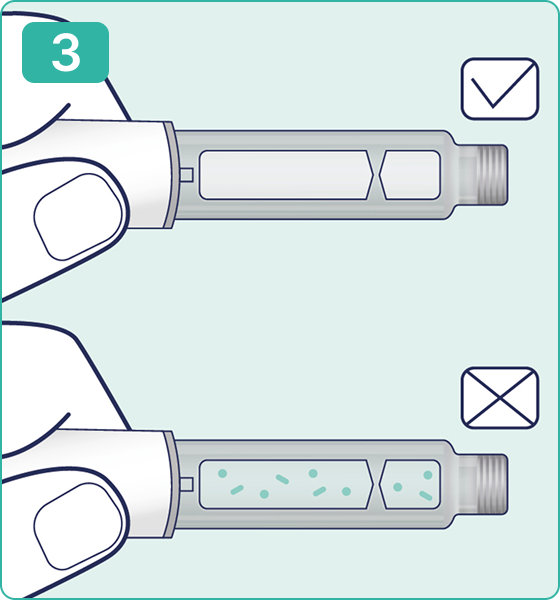
If Sejaro® in the pen injector looks not like a colourless clear solution, then do not use it.
Do not expose the pen injectors to low or high temperatures (below + 2 °C or above + 30 °C). Do not put pen injectors in a freezer. Do not freeze pen injectors!
Used pen injectors must be disposed and not be reused (do not try to refill them).
Carry the pen injector in a special thermal case/bag (for example, original GEROPHARM case) if the temperature is too high or too low.
Keep the pen injector and needles out of the sight and reach of children.
Do not try fixing the pen injector by yourself. If the pen injector is broken, please contact the organization that accepts consumer claims as indicated in the instruction for medical use. GEROPHARM helpline: 8 (800) 333-43-76.
Before the first injection, please read carefully user’s manual for pre-filled disposable pen injectors.
Please also consult your doctor (specialist) on how to use the pen injector. Please ask them to demonstrate the proper use of the pen injector. The first injection of the medicinal product must be carried out under the supervision of a doctor or nurse.
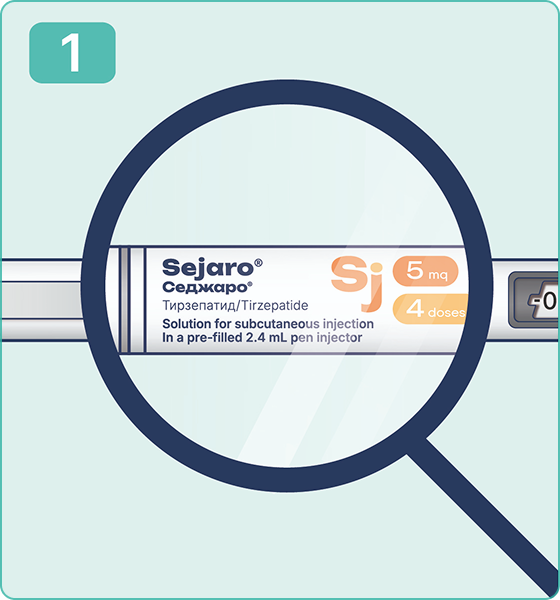
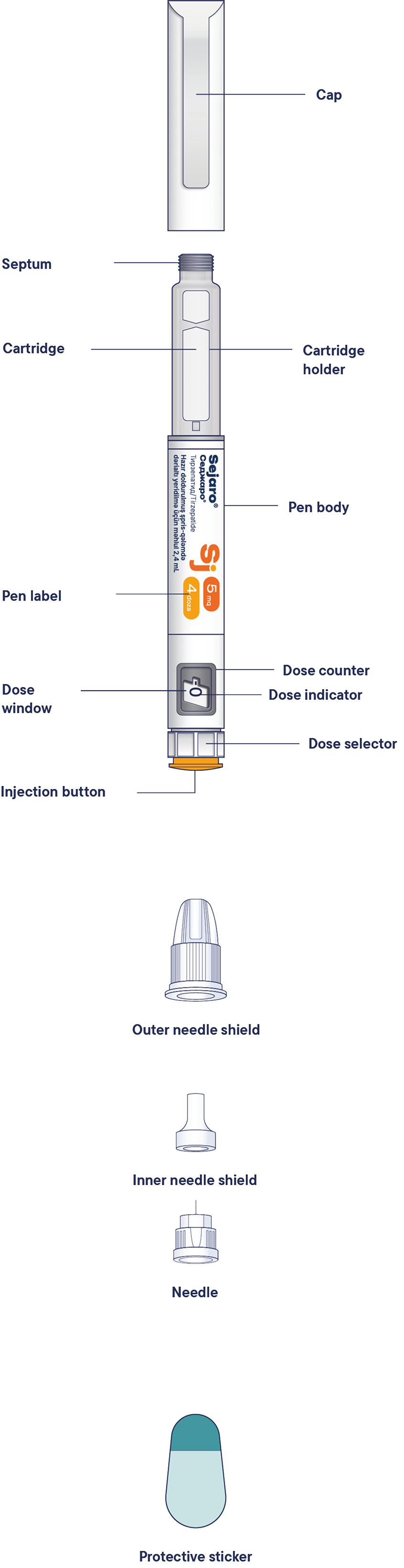
Please read the label of the pen injector carefully to make sure that you use the medicinal product and the dosage that your doctor prescribed to you and to check whether the medicinal product is not expired. Then look at the pictures below to get familiar with the characteristics and components of the pen injector.
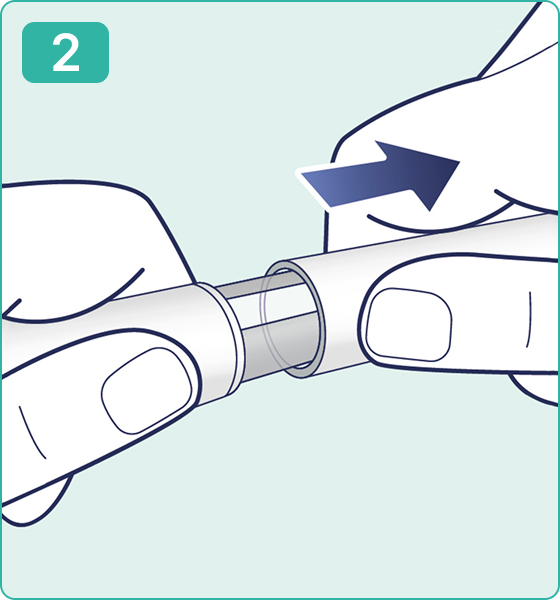
Before getting started with the pen injector, check it carefully for visible mechanical damage or leakage (this may happen when the cartridge is not properly sealed). Never use the pen injector if you are not sure that it is functioning and is not damaged. Always check your pen injector before each injection.
Follow the instruction for use of the pen injector carefully: do not drop it and make sure to protect it from environmental factors (heat, direct sunlight, damage, physical damage, etc.). If the pen injector is damaged, replace it with another one immediately.
Visually impaired patients or patients with severe vision issues who cannot see the numbers on the dose counter must use the pen injector only under the supervision of medical personnel, relatives or any person with good vision who has been trained to inject medicinal products using pre-filled pen injectors.
Caregivers must handle used needles with extreme caution to prevent accidental injections and cross-infections.
Sejaro® pre-filled pen injector
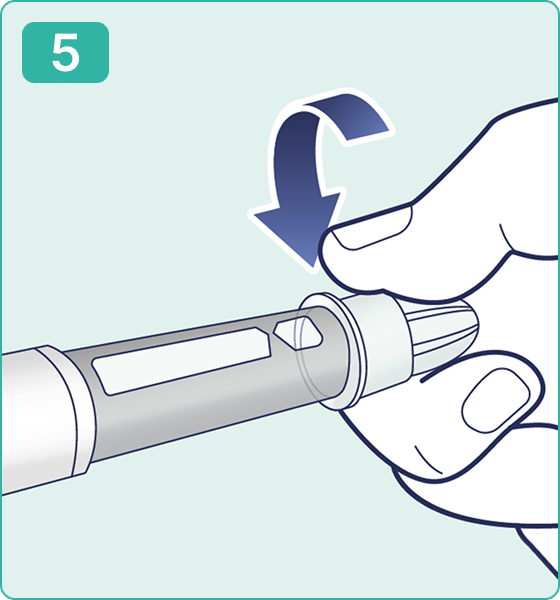
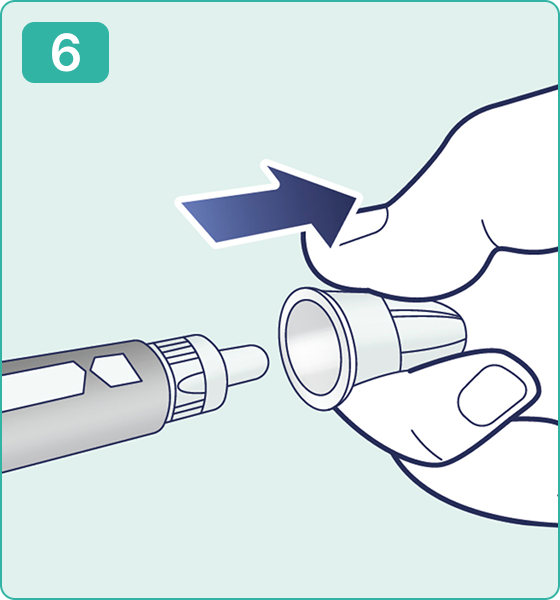
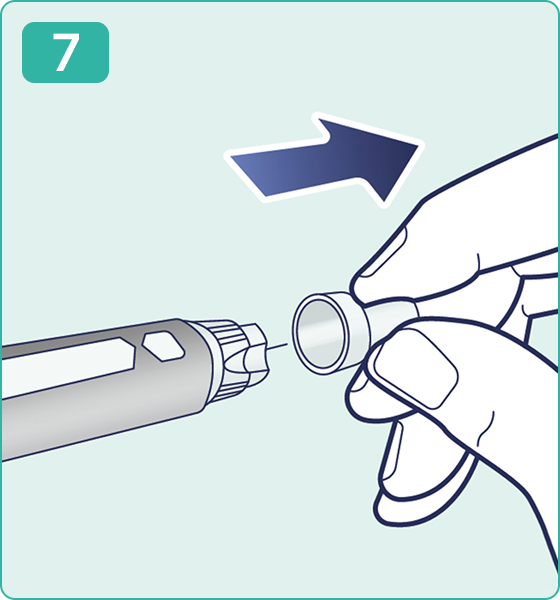
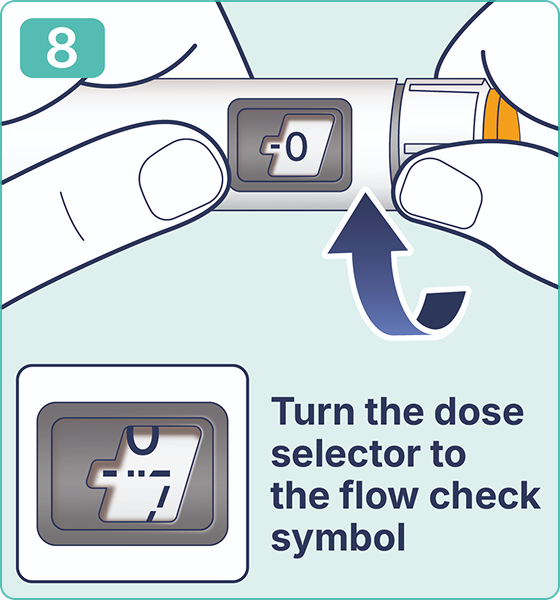
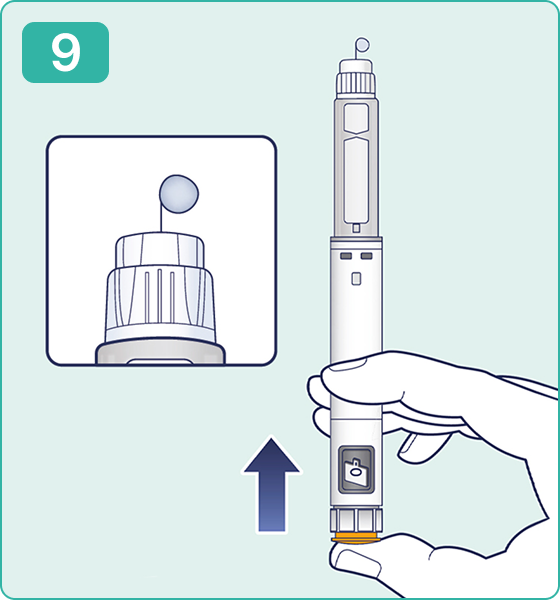
Rotate the dose selector until the “ ” solution pass indicator is aligned with the dose pointer.
You will hear 1 (one) click while turning the selector to the flow check symbol.
Note: If the dose selector slips through the required indicator, simply rotate it back to adjust the position of check indicator.
1. Prepare your pen with a new needle
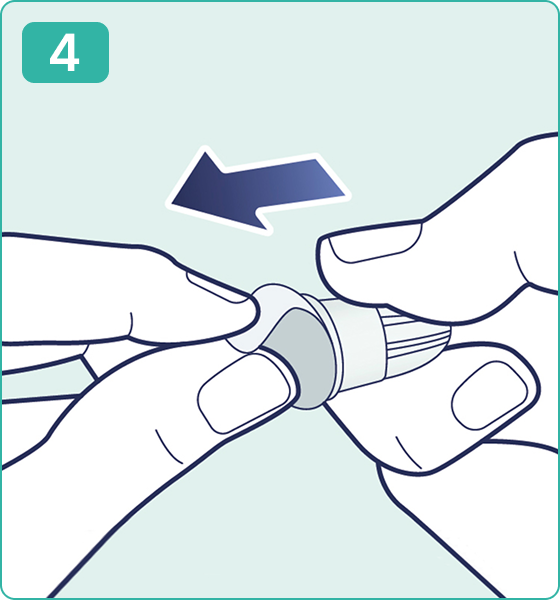
When the needle is being placed on the cartridge holder, a drop of the medicinal product may appear, which is acceptable, but you still need to check how the medicinal product flow through the needle if the pen injector is used for the first time. Attach a new needle to the pen injector immediately before the injection, when the patient is ready.
2. Check how the medicinal product flows through the needle
If no drop appears at the needle tip after the medicinal product starts passing through, then repeat the steps listed in Paragraph II, but not more than 6 times. If no drop still appears, then replace the needle and repeat the steps listed in Paragraph II to check the medicinal product flow again. If a drop of the solution does not appear, then dispose the pen injector and use a new one.
Before using the pen injector for the first time, make sure that the medicinal product smoothly passes through the needle and a drop of solution appears at the needle tip. This will ensure proper injection of the medicinal product. If the needle is damaged or blocked, then no drop of solution will appear and the medicinal product will not be injected, even if the dose selector and dose counter are moving. In this case, the patient will not get the prescribed dose and the intended effect of Sejaro® will not be achieved. Make sure to check that the medicinal product smoothly passes through the needle before the first injection.
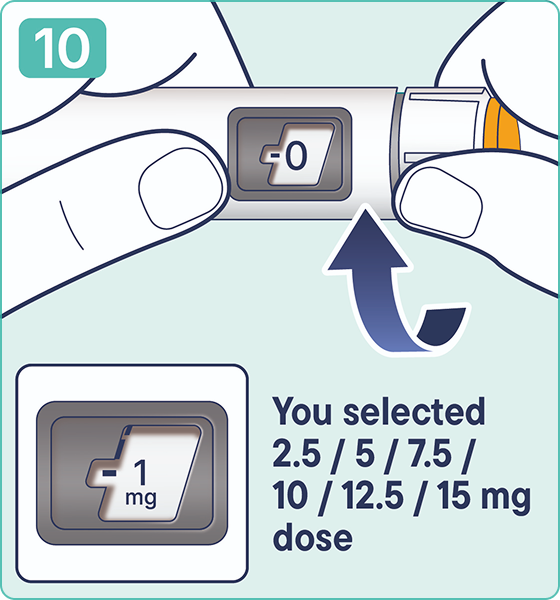
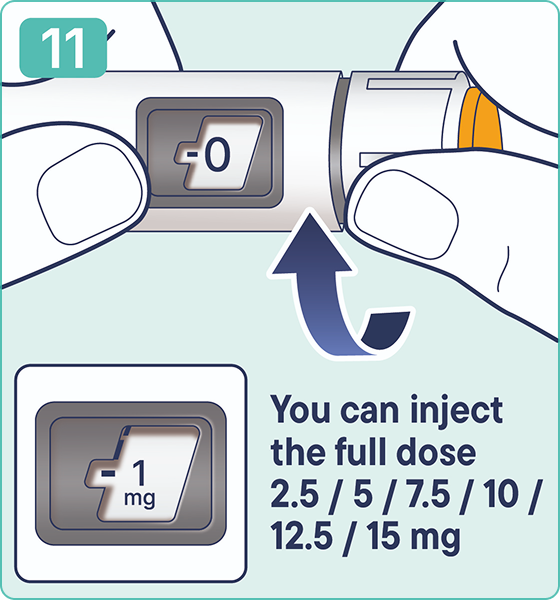
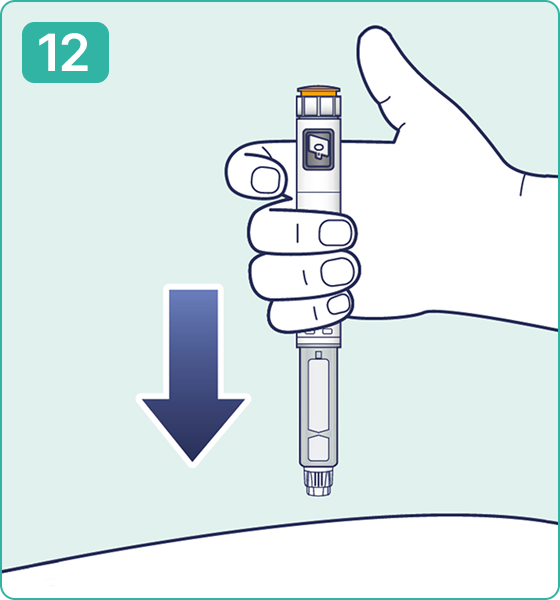
3. Dose setting
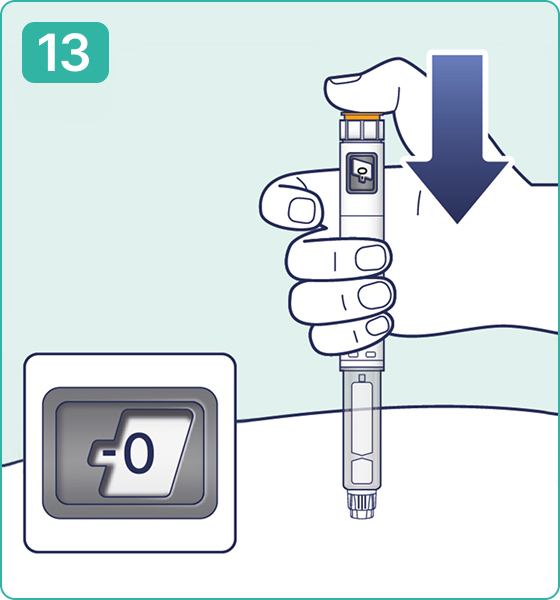
Before each injection, make sure to check the medicinal product dose (in mg) set by the patient using the dose counter and dose indicator readings. Do not count the clicks of the pen injector. Only one of the following Sejaro® doses can be selected on the pen injector: 2.5 mg, 5 mg, 7.5 mg, 10 mg, 12.5 mg, or 15 mg.
The choice can be made using the dose selector. When the dose is set correctly, the dose pointer in the dose window will show “–1” corresponding to 1 dose of Sejaro® (2.5 mg, 5 mg, 7.5 mg, 10 mg, 12.5 mg or 15 mg). If the pen injector contains less than 2.5, 5, 7.5, 10, 12.5 or 15 mg, the dose counter will stop before “1” appears.
Please note! Do not use the pen injector when there is not enough medicinal product left to inject the full dose. Use a new pen injector instead.
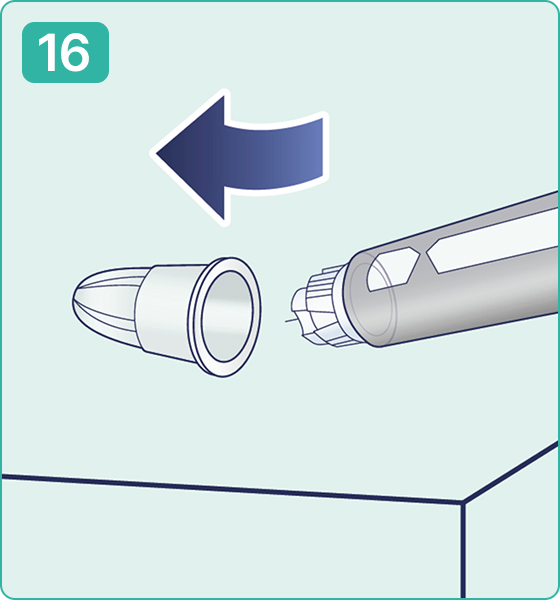
4. Needle disposal
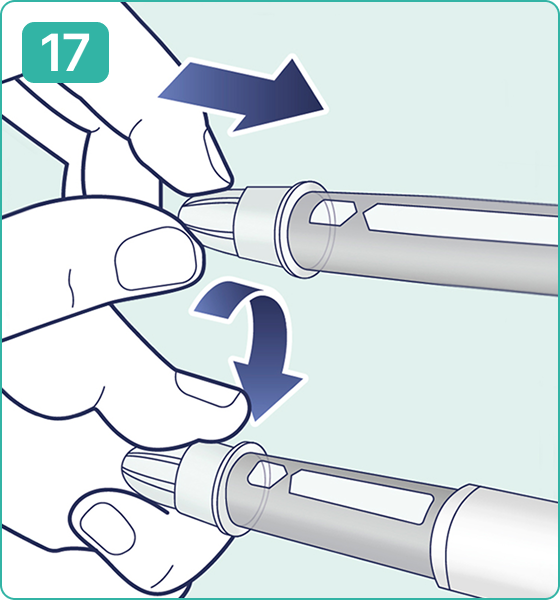
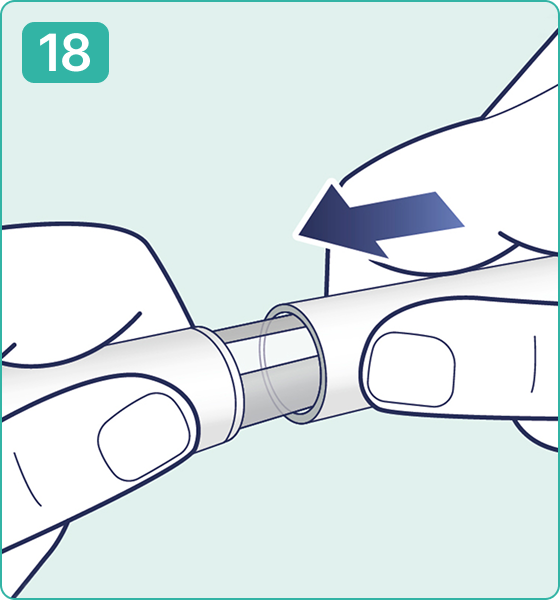
Please note! Always remove the needle from the pen injector after each injection. It helps prevent needle blocking and contamination, infection, solution leakage, and injection of a wrong dose. Store and carry the pen injector without a needle!
5. Pen injector care
Handle your pen injector with care. Rough handling or misuse may cause inaccurate dosing of Sejaro®, which may lead to very high or low blood glucose concentrations or abdominal discomfort (nausea, vomiting, diarrhea).
Do not expose your pen injector to dust, dirt or liquid. Do not wash or soak your pen injector. Clean your pen injector with a mild detergent on a moistened cloth when necessary.
If the pen injector has been subjected to physical impact (shock, mechanical vibration, thermal phenomena, etc.) or seems to be non-functioning, make sure to attach a new needle and check how the medicinal product passes through it before injecting.
It is prohibited to leave the pen injector in places where it can be exposed to very high or low temperatures (in a car, close to windows, etc.). Do not inject Sejaro® which has been frozen.
Used (empty) pen injectors must be disposed. Dispose empty pen injectors with detached needles in accordance with local regulations or the recommendations given by your physician, nurse or pharmacist.