A single convenient pen injector for all medicinal products
Consult your physician to choose the therapy
Minimal
risk of defects
Reliable
and comfortable
use
Over 1 million
pen injectors
of this type
sold in Russia
Measure accurately
the required dose
thanks to the
adjustable pen injector
Tirzepatide effects range
The active substance of Sejaro® — tirzepatide, it is a novel dual receptor agonist for GIP substances (glucose-dependent insulinotropic polypeptide) and GLP-1 (glucagon-like peptide-1), which control the feeling of satiety and insulin synthesis in the body
GLP-1 RA
effect
Brain
Increased satiety
Muscle tissue
Insulin sensitivity of cells
Pancreas
Insulin
Glucagon
β-cells’ function
Liver
Endogenous glucose production
GIT
Nausea
Gastric emptying
Vessels
Normalises the lipid profile
(cholesterol, triglycerides, HDL and LDL)
GIP
effect
Fat tissue
Fat metabolism
Fat tissue amount
Muscle tissue
Insulin sensitivity of cells
Pancreas
Insulin
Glucagon
β-cells’ function
GIT
Nausea
Vessels
Normalises the lipid profile
(cholesterol, triglycerides, HDL and LDL)
Weight loss
Sejaro® helps control appetite and reduce food cravings in patients suffering from obesity, excess weight, and/or type 2 diabetes
(1) Official instruction for the medicinal product Sejaro®
With tirzepatide, patients were losing over 20%
(2) https://www.nejm.org/doi/full/10.1056/NEJMoa2206038 of their body weight during 72 weeks.
Sejaro® can directly regulate the function of fat tissue, acting on the fat cell, adipocyte
(3) https://www.cell.com/cell-metabolism/fulltext/S1550-4131(24)00186-4
Sejaro® reduces not only subcutaneous fat tissue, but primarily visceral fat tissue, which is the most dangerous for health
(4) https://www.sciencedirect.com/science/article/pii/S0003426624000763
Sejaro® reduces the risk of major cardiovascular events
Sejaro® improves the lipid profile
Sejaro® can potentially reduce the risk even for patients with obesity and excess weight who do not yet have metabolic disorders (with metabolically healthy obesity)
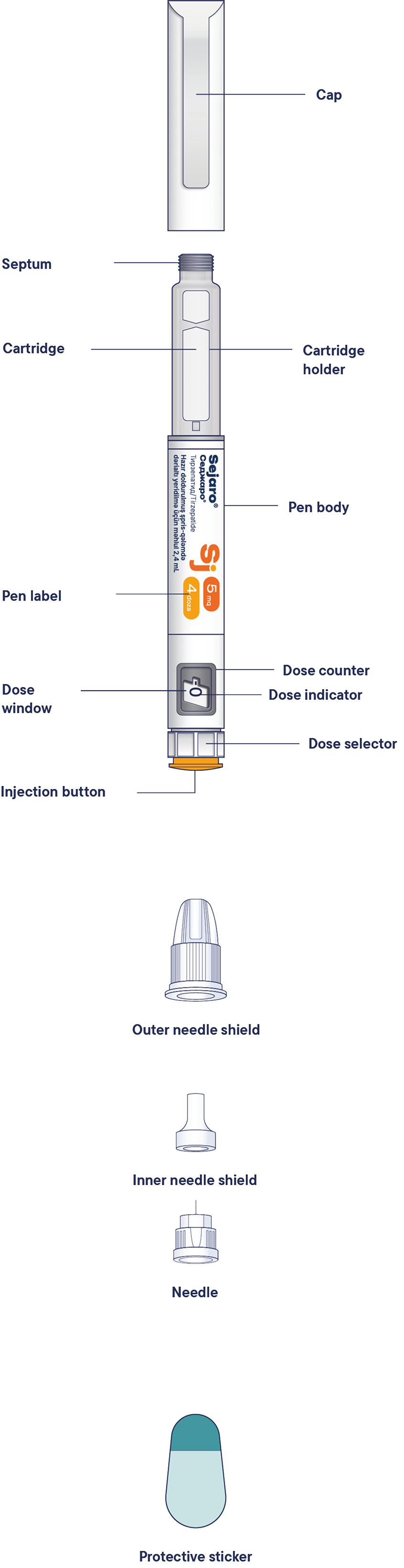
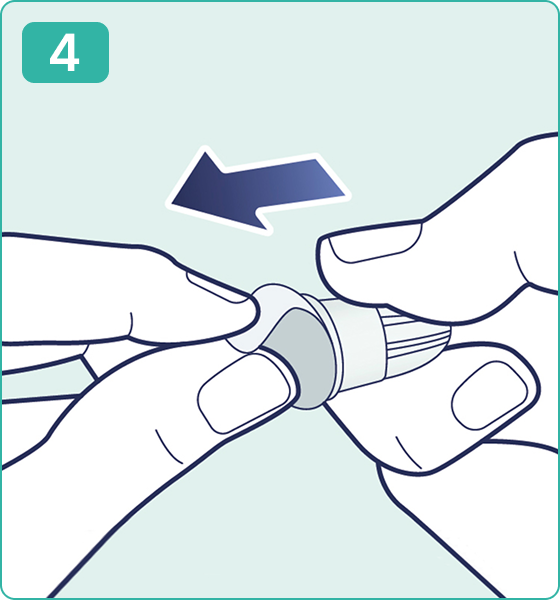
4. Take a new needle and remove the protective sticker from the outer needle cap
Note: Use needles strictly as recommended by your doctor. Replace the needle after each injection to minimise the risk of injecting a wrong dose, infection, or tissue injury.
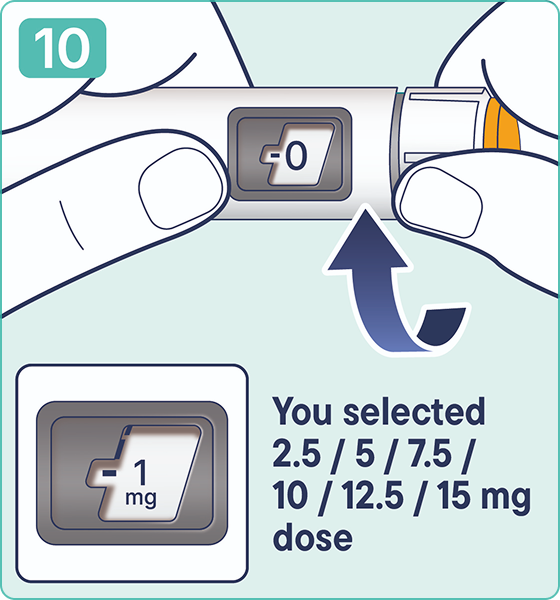
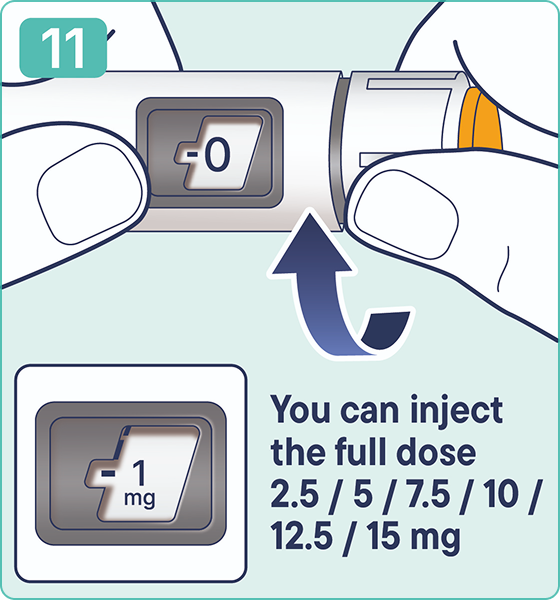
11. To see how much of the medicinal product remains, rotate the dose selector until the dose counter stops
If the dose window shows “–1”, there is at least 2.5, 5, 7.5, 10, 12.5, or 15 mg of the medicine left in the pen injector. If the dose counter stops before “–1” appears, there is not enough medicine left in the pen injector to inject a full dose of 2.5, 5, 7.5, 10, 12.5, or 15 mg.
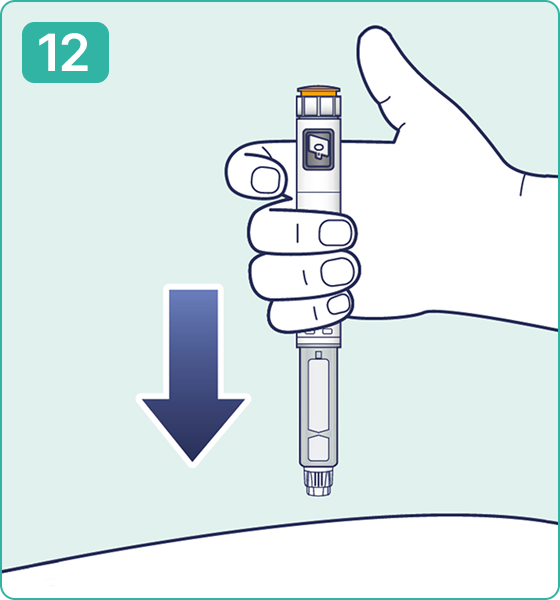
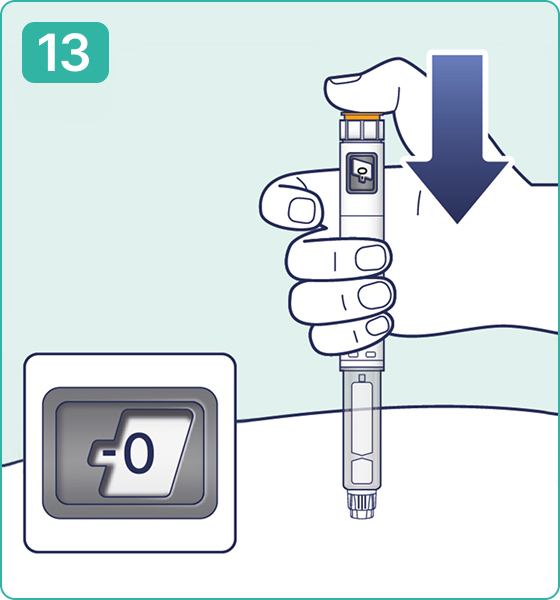
13. Make sure that the dose window is clearly visible to the person performing the injection.
Press the dose button and hold it until “0” is aligned with the dose indicator. When the button is pressed, the patient may hear or feel a slight click.
Do not touch the dose counter in the dose window lest you interrupt the injection.
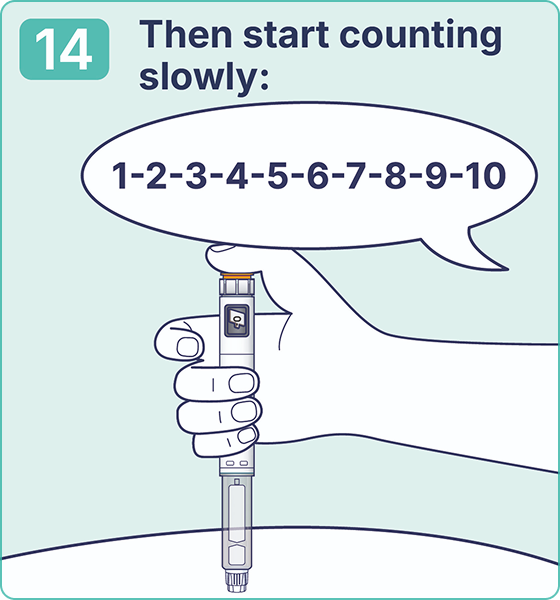
14. Hold the needle under the skin after the dose counter has returned to “0” and slowly count to 10.
Note: If you remove the needle from under the skin earlier, some of the medicinal product may leak out of the needle. In this case, an incomplete dose of the medicinal product will be injected.
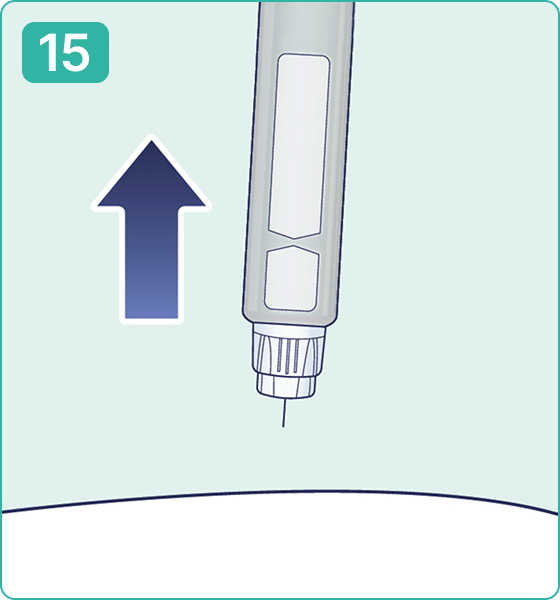
15. Carefully remove the needle from under the skin.
Note: If blood appears at the injection site, slightly press a cotton swab against the injection site. Don’t massage the injection site. After the injection is completed, a drop of the solution at the needle tip may appear. It is acceptable and doesn’t affect the actually injected dose of the medicinal product.
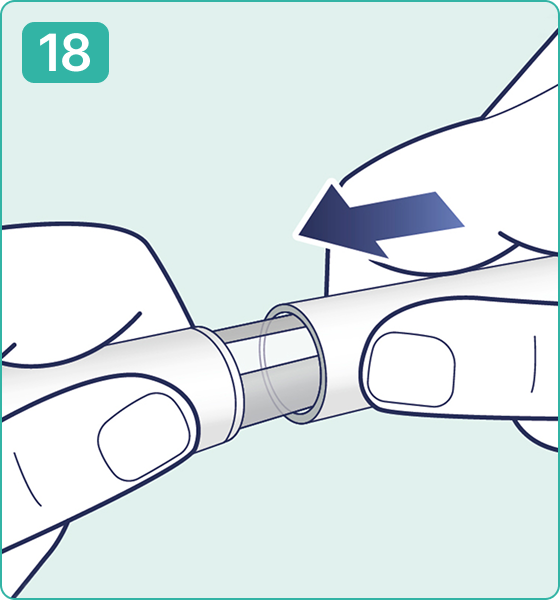
18. Put the cap on the pen injector and store your pen injector until the next use in the storage conditions indicated in the product instruction for use.
Equivalent doses for effects on glycaemic control1
Medicinal Product
Use frequency
Equivalent dose, mg
Liraglutide
Daily
0,6
1,2
1,8
Dulaglutide*
Weekly
0,8
1,5
Semaglutide (Semavic®, Semavic Next®)
Weekly
0,3
0,5
1,0
2,0*
Tirzepatide (Sejaro®)
Weekly
2,5
5,0
5,0**
7,5
10,0
12,5
15,0
*- not authorised in Russia
**- when switching from a higher dose of semaglutide, start with a dose of tirzepatide not exceeding 5.0 mg to reduce the risk of hypoglycaemia
When using semaglutide in a dosage of more than 1.7 mg (2.0 mg, 2.4 mg), switch to no more than 5 mg of tirzepatide
How to administer Sejaro® and what dosages does it have?
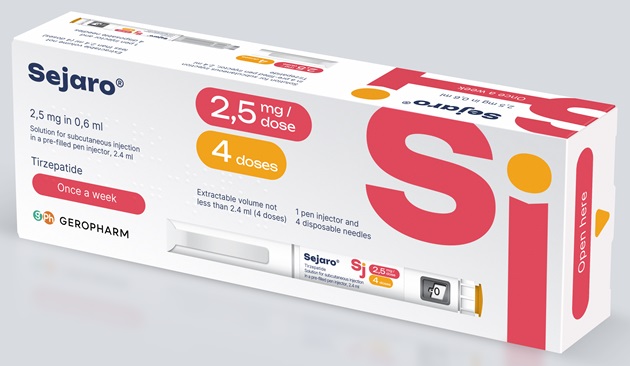
Sejaro is administered once a week subcutaneously using a pre-filled pen injector, with a disposable sterile injection needle of up to 8 mm length that must be inserted into it before use. The Sejaro® pack includes four WellFine 4 mm 32G needles.
Six dosages exist: 2.5 mg, 5 mg, 7.5 mg, 10 mg, and 15 mg per 0.5 mL.
What is an initial dose of Sejaro® and how to adjust the dose?
The recommended initial dose of Sejaro® is 2.5 mg subcutaneously once a week. The 2.5 mg dose is intended to initiate treatment and not to control glycaemia.
After 4 weeks of a 2.5 mg dose weekly, increase it to 5 mg once weekly, and then increase it in 2.5 mg increments after at least 4 weeks of the current dose, if required.
When should I switch from Semavic® to Sejaro®?
If you have reached the maximum dosage of semaglutide of 2.4 mg once a week, but have not reached your goals:
You see no changes or insufficient weight loss (failure to achieve the target BMI, WC (waist circumference), etc.);
You see no changes or insufficient changes in laboratory parameters (glycated hemoglobin, cholesterol, triglycerides, etc.);
You cannot use semaglutide due to pronounced side effects;
As prescribed by a physician (the medicinal product may be changed due to patient’s individual characteristics)
Is Sejaro® more effective than Semavic®?
Sejaro® contains tirzepatide: the next-generation agent in this class of medicinal products. Its innovation is that it affects not only centrally, reducing appetite, adjusting eating habits, and reducing “food noise,” but also directly on fat tissue, which undoubtedly leads to a more pronounced effect. International studies show that tirzepatide more significantly reduces pathological, unnecessary kilograms than semaglutide, primarily by reducing fat tissue, especially in the abdominal (belly) region, and also has less pronounced side effects typical of this class of medicinal products, such as nausea, vomiting, etc.
Which of the medicinal products should I start with if I want to lose weight?
Consult an endocrinologist first and undergo the necessary laboratory tests. Excess weight is often accompanied by cardiovascular diseases, liver and kidney disorders, etc. They may not manifest in any way in the early stages, but with a timely and accurate diagnosis, they can be halted and “time turned back.” Self-medication can be a dangerous endeavour anyway.
A physician can choose the medicinal product only after an individual consultation. According to international practices, physicians abroad prescribe medicinal products as follows:
Semaglutide (Semavic® and Semavic Next®): for patients with type 2 diabetes mellitus, excess weight, and type 2
diabetes
mellitus in insurance medicine; for overweight patients and those with obesity 1 and 2.
Tirzepatide (Sejaro®): for patients with obesity 2–3, with sleep apnoea, when preparing for a surgery that
requires
weight loss, with insufficient response to semaglutide therapy, and with significant abdominal obesity. Tirzepatide
often serves as an alternative to bariatric surgery and as concomitant therapy for liposuctioning, since during this
operation, only subcutaneous fat is removed, while visceral (abdominal) fat remains.
How long should I take Sejaro?
Use any of GLP-1 agonists as follows:
1. Start and set the dosages step by step until the optimal one is determined, at which point you will achieve the targets.
2. Next, continue with this dosage for six months to maintain body weight and develop the habit of eating at exactly the pace and portion size that you have come to. Use any of GLP-1 agonists as follows
3. The following is a discontinuation of the medicinal product. There are several options, depending on how clinical recommendations are interpreted. But a stage-wise discontinuation is more often used, i.e., reducing the dose by one increment every 4 weeks. This will help you understand whether you can cope without the medicinal product, or whether your body needs more time to develop stable behavioral and eating habits
Where should I inject Sejaro®?
Sejaro® is administered subcutaneously (subcutaneous injection) using a pen injector. Never inject Sejaro® intravenously or intramuscularly.
You can inject yourself at any time of the day, regardless of meals.
The best injection sites are the abdominal area at least 5 cm from the navel or the upper leg (thigh) or shoulder. You can use the same area of your body each week, but be sure to choose a different injection site in that area.
If you are also injecting insulin, choose a different area for that injection.
What is the proper technique for inserting a needle into a pen injector?
Please remember to use a new needle for each injection to minimise the risk of the wrong dose, infection, and tissue injury.
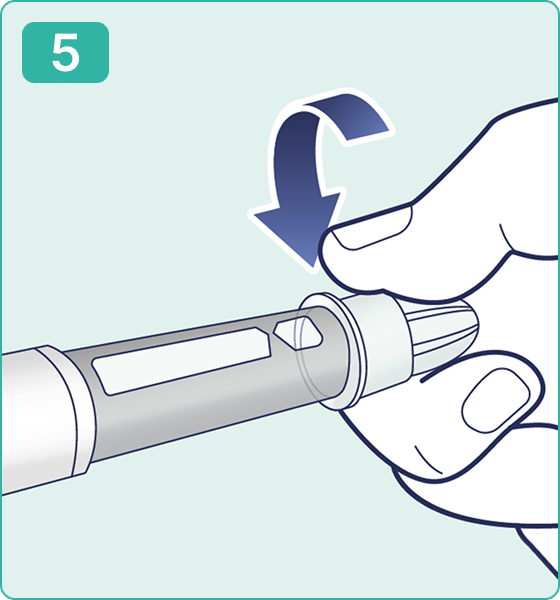
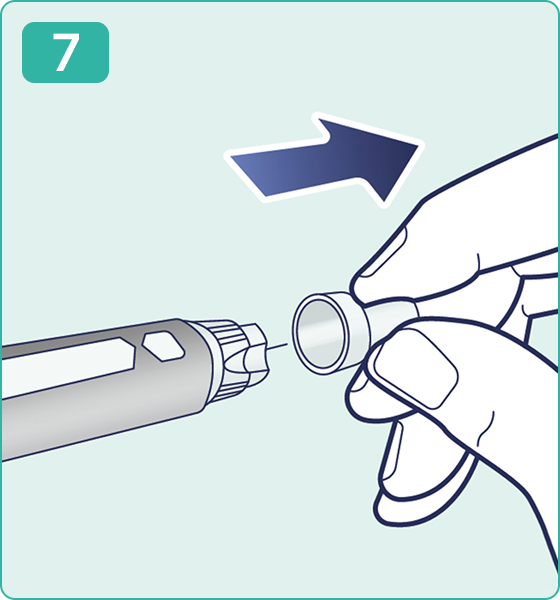
1. Remove the protective sticker from needle’s outer side and screw it on to secure it on the pen injector and prevent it from shifting, as shown in the product instruction for use. The pen injector may break if the needle is not secured.
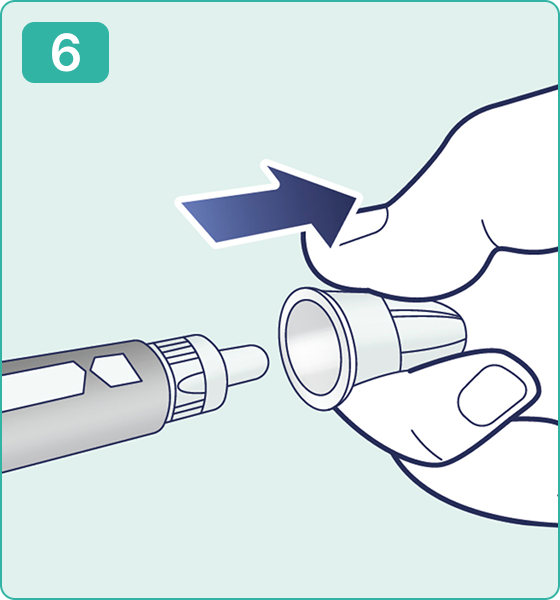
2. Remove the outer needle cap, but do not dispose it. You will need it after the injection to safely remove the needle from the pen injector
3. Remove the inner cap and discard it. The needle will emerge. Carefully lead the needle into the big outer needle cap all the way once the injection is completed
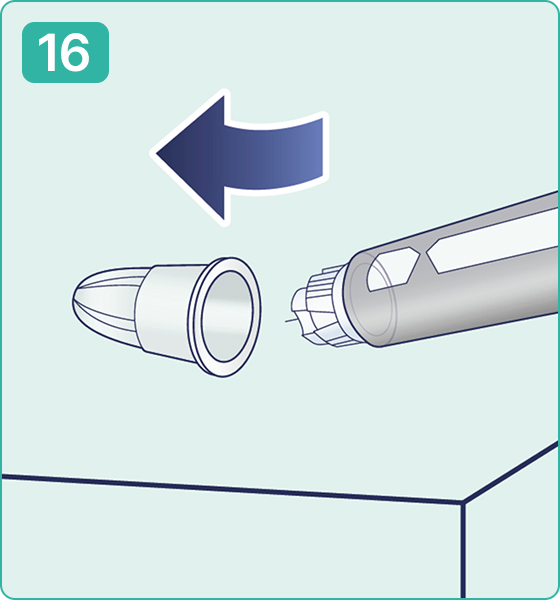
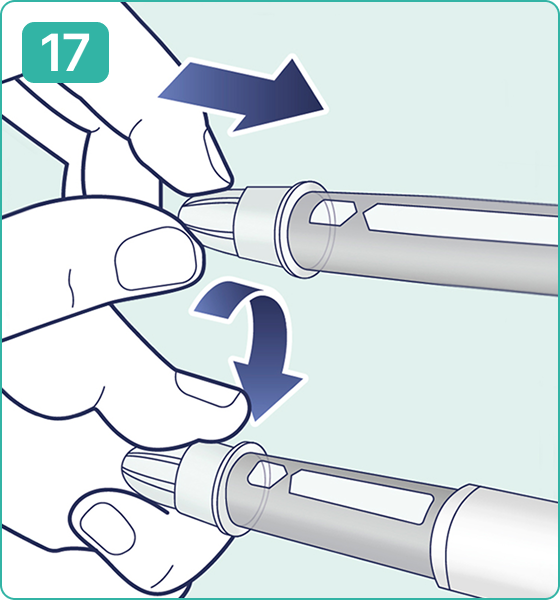
4. Carefully unscrew the needle and discard it with the outer cap
Which is the right way to carry Sejaro® during the warm periods?
Wrong temperature conditions may compromise product’s efficacy. There are several ways to carry Sejaro® safely.
First, use icepacks. These are gel- or water-filled bags or plastic containers accumulating cold. Plastic icepacks are
more reliable: they cannot be torn, and the liquid within can be partially thawed to prevent the product from
freezing.
Now, select container:
Insulated containers are made of durable plastic or cardboard. They are insulated inside. You can place refrigerated
icepacks inside, along the walls.
Cool carriers are made of thick insulating fabric. Icepacks can be placed inside it
For short trips (up to an hour and a half), use foil thermal packages, ordinary insulated flasks, insulated beauty
cases, or insulated lunch box bags.
May I share my Sejaro® pen with other patients?
No! Never share your Sejaro® pen with other people, even if the needle is new. You may infect other people or contract an infection.
Is Sejaro® safe for me if I have type 2 diabetes but am not overweight or obese?
Sejaro® is indicated in addition to a diet and physical exercises to improve blood glucose monitoring in adults with T2D.
Clinical studies show that you can use tirzepatide if you need improved blood glucose monitoring, even if you are not overweight or obese. Your physician should monitor weight loss and adjust the dose if it is excessive.
Will Sejaro® slow down weight loss over time?
In clinical trials in patients with type 2 diabetes, weight loss at the maximum, 15 mg, dose of tirzepatide (Sejaro® active ingredient) hit a plateau after about 52 weeks (1 year).
How soon after I stop taking tirzepatide (Sejaro® active ingredient) will the weight return?
It is currently unknown, since clinical studies have not assessed it. Combining Sejaro® with lifestyle and dietary changes is essential to maintain the results achieved on therapy after discontinuation.
What should my physician monitor after prescribing Sejaro®?
Your physician should evaluate how much Sejaro® has improved blood glucose control and monitor the rate of weight loss and any problems with tolerance to the medicinal product. Monitoring and dosage selection should be individual.
Does Sejaro® have the same contraindications as Semavic®?
Sejaro® is contraindicated for:
a personal or family history of medullary thyroid carcinoma (MTC);
type 2 multiple endocrine neoplasia syndrome (MEN 2);
people under 18 years of age;
pregnancy and breastfeeding;
hypersensitivity to tirzepatide (Sejaro® active ingredient) or any of the excipients in the medicinal product.
Sejaro® should be used with caution due to the lack of data on efficacy and safety or limited experience with
pancreatitis, severe renal or hepatic insufficiency, and severe gastrointestinal diseases (including severe
gastroparesis).
When taken concomitantly with insulin or sulphonylureas, Sejaro® may increase the risk of lowering blood sugar
(hypoglycaemia). Discuss this combination and dosage adjustment with your physician.
What are the most common side effects I may encounter when taking Sejaro®?
The most common side effects across the entire class of GLP-1 agonists (liraglutide, semaglutide, tirzepatide, etc.) are gastrointestinal (nausea, diarrhea, decreased appetite, vomiting, constipation, dyspepsia, and abdominal pain).
Can the gastrointestinal side effects that occur when taking Sejaro® resolve on their own?
In clinical studies, gastrointestinal side effects that usually occurred in the early stages of therapy (when the dose was increased) in patients taking tirzepatide (Sejaro® active ingredient) were mild or moderate in severity and resolved over time.
Relatively few patients had to discontinue tirzepatide due to gastrointestinal side effects. For example, a combined analysis of placebo-controlled clinical studies showed that discontinuation of treatment due to gastrointestinal side effects occurred in 3.0 %, 5.4 %, 6.6 %, and 0.4 % of patients treated with tirzepatide 5 mg, 10 mg, 15 mg, and placebo, respectively.
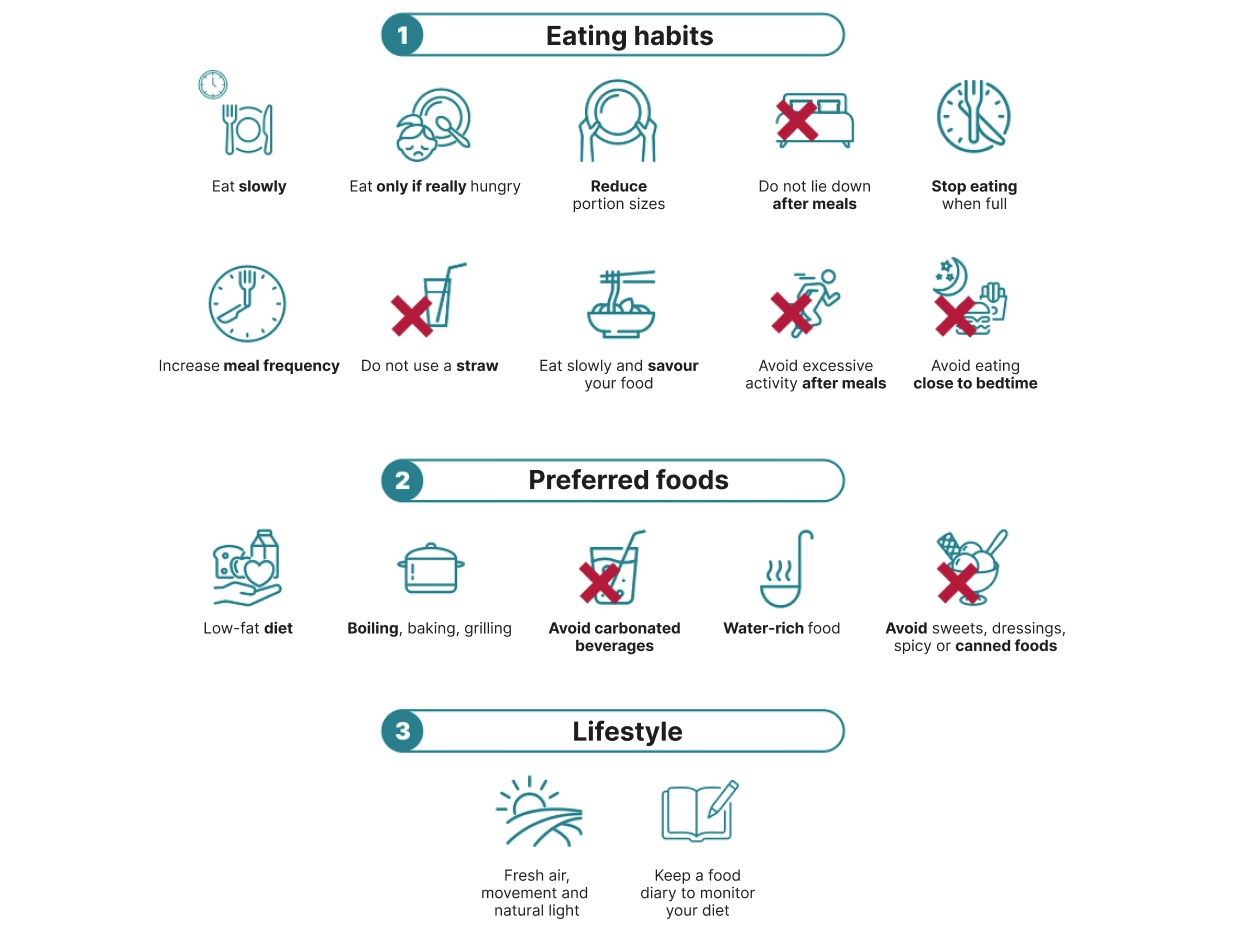
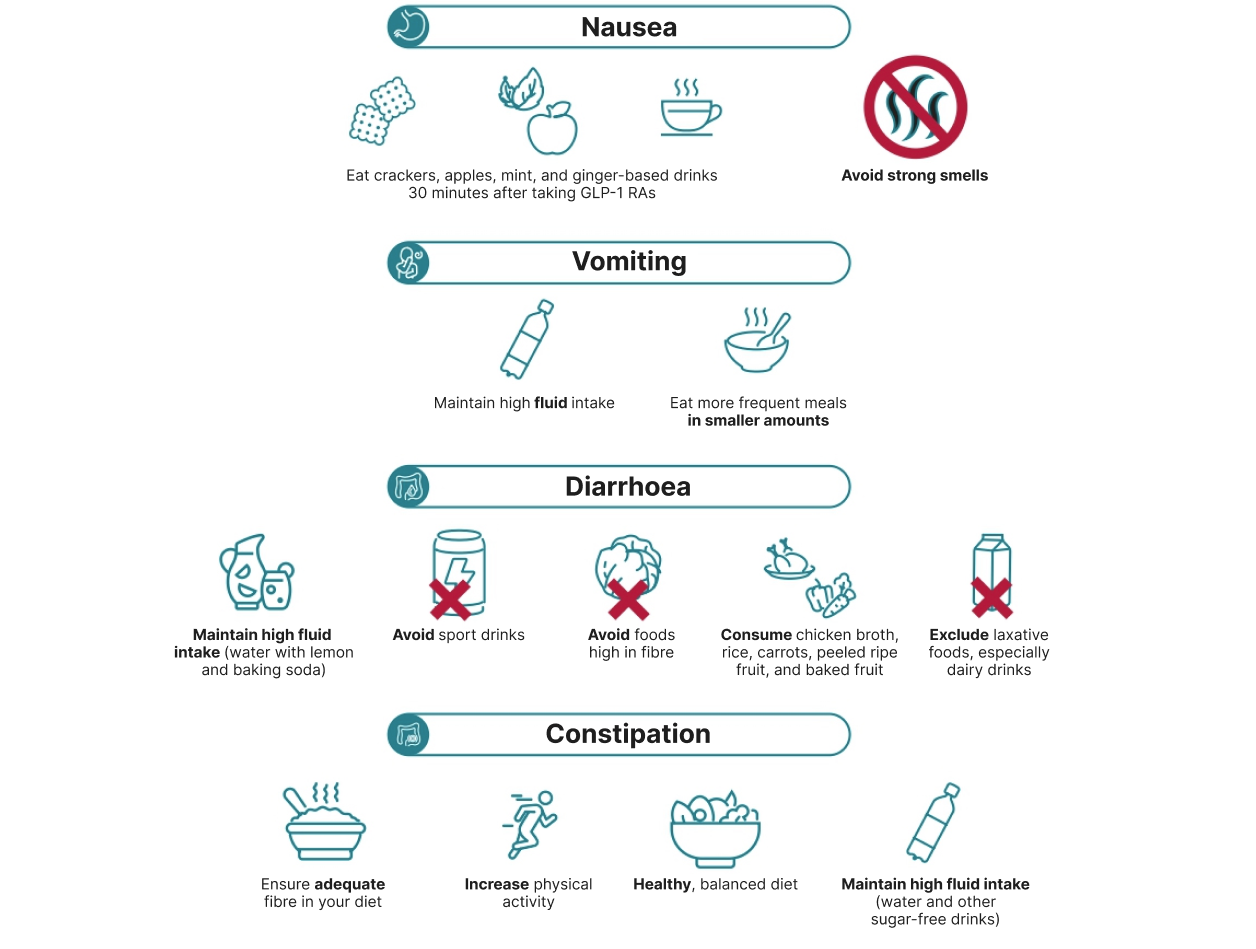
Gastrointestinal side effects can usually be mitigated with a diet and often diminish and resolve over time.
What should I do if I have such side effects as nausea, vomiting, or constipation at the therapy initiation?
What are the diet and lifestyle recommendations when Sejaro® is prescribed?
Can I discontinue Sejaro® immediately, or should I gradually reduce the dose?
You can discontinue Sejaro® without gradual reduction of the dose, if needed. If the selected dosage does not suit you, then reducing it may improve tolerance to the medicinal product. Use more careful blood glucose monitoring when adjusting the dose or discontinuing the medicinal product.
My physician diagnosed me with pre-diabetes. What is this disease and what is its hazard?
Pre-diabetes is often called “occult diabetes.” It is diagnosed when blood sugar is elevated (exceeding 6.1 mmol/L) but not high enough to diagnose diabetes mellitus (less than 7.0 mmol/L).
Pre-diabetes tacitly puts a person at risk for developing diabetes mellitus and cardiovascular diseases. Even a slight but prolonged increase in blood sugar can damage the inner coat of vessels, speeding up the development of atherosclerosis. The combination of high blood sugar and high cholesterol increases the risk of serious cardiovascular complications such as heart attacks, strokes, and peripheral artery disease.
How can I understand that I have pre-diabetes?
Pre-diabetes has no pronounced symptoms, and it is more often diagnosed by changes in laboratory tests. The symptoms develop slowly, subtly and are not specific. See your physician if you notice:
1. Weight gain or sudden weight loss;
2. Fatigue or weakness with no reason;
3. Sweet food cravings;
4. Skin changes, e.g., skin darkening in natural folds, on the neck, and elbows;
5. Increased urge to urinate, especially at night;
6. Itching in the genital area;
7. Poorly healing cuts and wounds;
8. Sharp deterioration of vision;
9. Intense thirst.
How to diagnose pre-diabetes?
Blood sugar should be assessed from a vein to diagnose pre-diabetes. Perform the analysis in the morning on an empty stomach after an 8–14-hour overnight fast. Do not take the test during periods of increased psychoemotional and physical stress, as stress hormones can affect the results. A glucose tolerance test may be necessary to clarify the diagnosis.
Provided that:
1. Fasting hyperglycaemia is defined as a fasting blood sugar between 6.1 and 7.0 mmol/L. During the glucose tolerance test, the sugar level is less than 7.8 mmol/L two hours after consuming 75 g of glucose.
2. Impaired glucose tolerance is defined as an increased fasting glucose level of 6.1 mmol/L in combination with an increased glucose level of 7.8–11.1 mmol/L two hours after consuming 75 g of glucose during the tolerance test.
3. A slight sugar increase amid a serious disease may be a variant of the norm, but requires a second diagnosis after recovery
Is type 2 diabetes in my relatives putting me at risk of developing pre-diabetes or diabetes?
Yes, genetic predisposition is a serious risk factor for developing diabetes. More than 20 genes have been discovered whose changes can cause diabetes. If a parent has type 2 diabetes, the probability of developing this disease in children is twofold increased.
Excess weight and obesity, low physical activity, and a sedentary lifestyle are risk factors for diabetes in addition to genetic predisposition. Type 2 diabetes is also more common in cases of cardiovascular diseases, hypertension, and polycystic ovary syndrome.
Should I use Sejaro® alone for type 2 diabetes, or can I combine it with other medications?
Clinical studies confirm the use of tirzepatide (Sejaro® active ingredient) alone and in combination with other antidiabetic medicinal products, including insulin. It is indicated in addition to a diet and physical exercises to improve blood glucose monitoring in adults with type 2 diabetes mellitus.
Do I need to change the dose of metformin when I use it with Sejaro®?
When Sejaro® is added, no dose changes are required for metformin. In clinical studies assessing tirzepatide (Sejaro® active ingredient) in T2D patients, the metformin dose has not been changed.
How to combine Sejaro® with other antidiabetic medicinal products?
Concomitant use of Sejaro® with sulfonylureas and insulin may increase the risk of hypoglycaemia. Discuss the dose adjustment for antidiabetic medicinal products with your physician, and ask them to explain the signs and symptoms of hypoglycaemia and its treatment.
What are the risks of hypoglycaemia with Sejaro®?
Based on the mechanism of action of Sejaro®, the risk of clinically significant hypoglycaemia is very low even when used concomitantly with other antidiabetic medicinal products with a low risk of hypoglycaemia, such as metformin or gliflozins. The risk of hypoglycaemia may increase when Sejaro® is combined with drugs that increase insulin secretion (sulfonylureas, insulin-containing drugs). Therefore, consider reducing their dose if you plan to take Sejaro®.
If hypoglycaemia occurs, should the dose of Sejaro® or the dosage of other antidiabetics be reduced?
If clinically significant hypoglycaemia occurs when taking Sejaro® in combination with medicinal products that increase insulin secretion and/or with insulin, the most appropriate treatment method is to reduce the dose of these agents rather than that of Sejaro®.
How will my weight loss rate change with Sejaro® if I also take metformin or insulin?
There is no direct comparative study evaluating the effect of tirzepatide (Sejaro® active ingredient) on weight loss in T2D patients treated with metformin versus those treated with insulin.
In clinical studies evaluating tirzepatide as an additional therapy to metformin or basal insulins, tirzepatide 5 mg, 10 mg, and 15 mg resulted in significant weight loss from baseline at weeks 40 and 52. Individual patients’ results may differ from the average findings reported in clinical studies.
If my glycated hemoglobin (HbA1c) decreased with Sejaro®, does this indicate the effectiveness of therapy?
Sejaro® is indicated to improve blood glucose control in addition to a diet and physical exercises in adults with type 2 diabetes mellitus. Thus, changes in glucose and the achievement of individual targets for this parameter are the main markers of success or the need to increase the dose.
How soon after starting Sejaro® will the level of glycated hemoglobin (HbA1c) decrease?
In phase 3 clinical studies of tirzepatide (Sejaro® active ingredient), improvements in glucose levels, measured using HbA1c, were observed as early as 4 weeks after starting tirzepatide and continued to improve further. The results of these clinical studies may vary for individual patients.
Are there any recommendations for retinopathy?
Tirzepatide (Sejaro® active ingredient) has not been studied in patients with non-proliferative diabetic retinopathy requiring acute treatment, proliferative diabetic retinopathy, or diabetic macular oedema.
If you have diabetic retinopathy (diabetic eye disease), remember that rapid improvement in blood sugar control can temporarily exacerbate the disease, so your physician should monitor your condition.
And how Sejaro® will work if I have dyslipidemia?
Clinical studies demonstrated that tirzepatide (Sejaro® active ingredient) improved patients’ lipid profiles, including reductions in triglycerides and increases in HDL levels.
Can I use Sejaro® with statins?
Yes, you do not need to adjust statins’ dose when you start Sejaro®.
And what works better on lipids: Semavic® or Sejaro®?
SURPASS-2 assessing tirzepatide (Sejaro® active ingredient) at doses of 5 mg, 10 mg, and 15 mg once a week compared with semaglutide (Semavic® active ingredient) at a dose of 1 mg once a week in patients with type 2 diabetes mellitus treated with metformin demonstrated that the first arm had lower triglyceride levels and higher HDL cholesterol levels after 40 weeks of treatment.
Under the current legislation, this website’s information is for healthcare and pharmacy licentiates only. Click the “Yes, I am” button to accept the terms of use.
We use cookies to ensure correct operation of the website. If you continue using the website, you accept them.







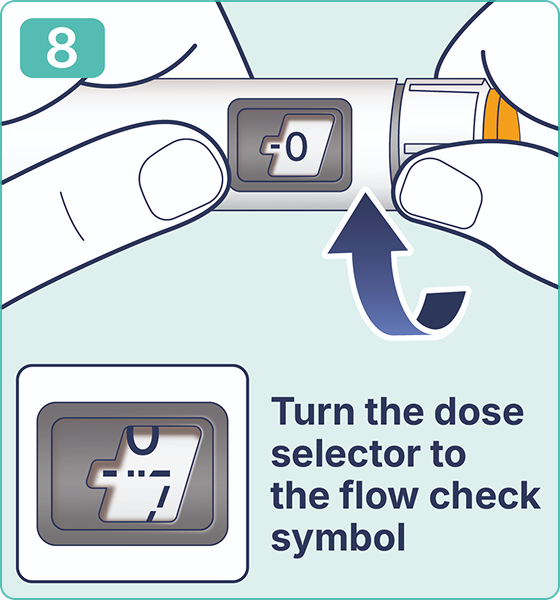
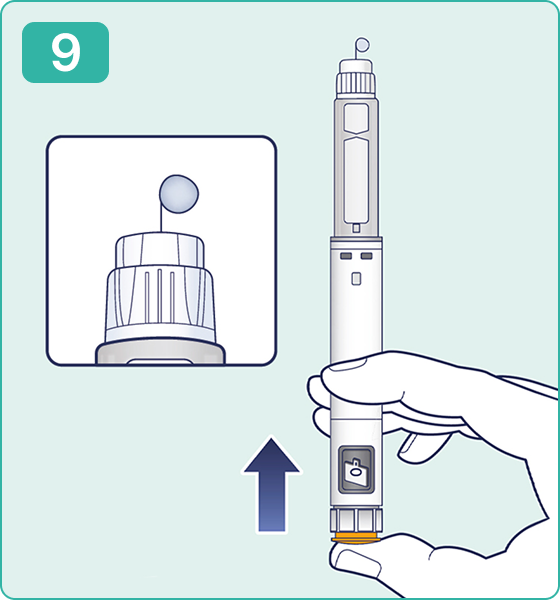
 ” solution pass indicator is aligned with the dose pointer.